Entrepreneurs Network will gather entrepreneurs, business leaders, investors, financial institutions and selected strategic partners to discuss challenges and opportunities faced by businesses in Africa and how to access capital during unprecedented times.
The Entrepreneurs Network Virtual Series runs on 25 – 26 November 2020 and members of Africa Association of Entrepreneurs can book a VIP Ticket and bring a colleague for FREE!

-

-
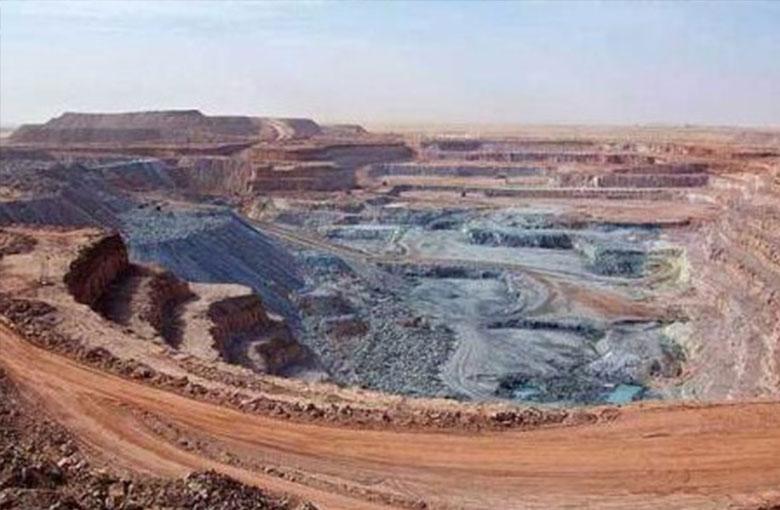
Situated in West Africa, bordered by Nigeria, Chad, Burkina Faso, Libya, Mali and Algeria, the Republic of Niger is a landlocked country. Niger gained freedom from the French in 1960, was under military rule for the most part of its recent history and has been prone to frequent terror attacks, droughts and floods. Compared to its more affluent neighbour–Nigeria, Niger has a smaller economy, with its 2019 GDP being calculated at USD 12.928 billion.1
-

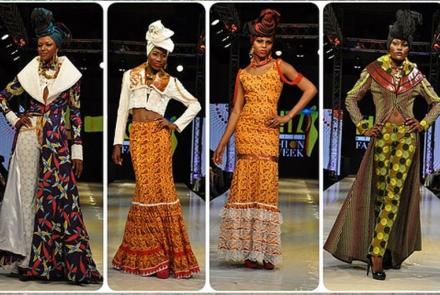
Fashion is one of the upcoming businesses that have the potential to dominate the world. Fashion is not only about what you wear; it affects your attitude and personality. It has the power to make you feel empowered. In today’s world, the inclusivity of countries and regions in the fashion industry is an issue that has to be addressed. Ghana, a country rich in culture and tradition, has been playing a major role in tackling this issue. Ghana is a steadily growing consumer and producer in the fashion industry.
-
Women represent more than half of South Africa’s population. Even so, their participation in the business sector remains significantly low. According to the Global Entrepreneurship Monitor 2016/2017, the highest female rates in South Africa occur among those 45-54, showing entrepreneurship undertaken primarily in late career stage. The low overall female entrepreneurship rate is explained by the relative lack of participation among the two youngest age groups—those 18-24 and those 25-34.